It’s strange how quickly customers got used to instant replies. A decade ago, waiting two hours for support felt normal. Now? If a message sits unread for four minutes, people start refreshing the screen like something broke. European companies feel that pressure even more because so many of them work across borders — different languages, time zones, regulations, and customer habits bundled together like an unplanned puzzle.
So the big question became obvious: how do you maintain consistent service when your clients live everywhere?
That’s how AI chatbots quietly turned into one of the most practical tools on the continent.
Why European Companies Are Turning to AI Assistance
You can trace it to three things: language diversity, rising expectations, and the European obsession with compliance. Support teams can’t hire for every language overnight, but they also can’t afford delayed replies. AI systems stepped into that gap, handling the predictable tasks and leaving people free to solve the messier, human problems.
There’s also the cross-border footprint. A French cosmetics brand selling in Germany, or a Baltic airline serving customers in Italy — they all need tools that don’t collapse the moment someone types in Spanish slang or a Cyrillic alphabet. That’s where modern chat systems shine: they don’t blink, and they don’t care whether the user writes in Polish, English, or half-understood Hinglish.
And the development work behind those systems has grown into a specialized field of its own.
Below is a look at the companies helping European businesses put AI support on solid ground.
1. CHI Software
The first company on this list is CHI Software, known for delivering reliable chatbots solutions development for organizations dealing with multilingual, high-volume customer interactions.
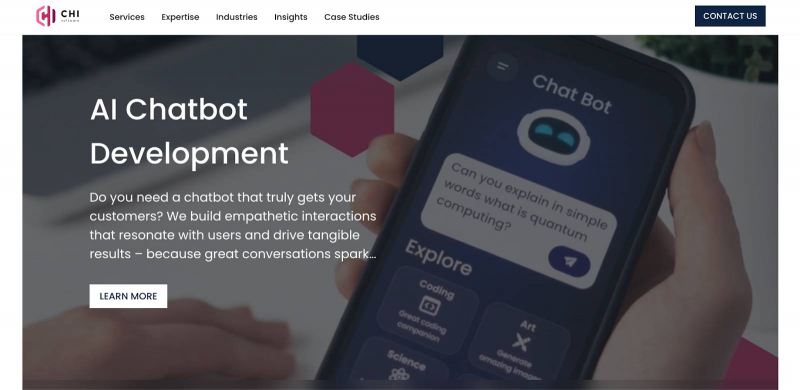
They don’t just assemble a basic assistant; their teams design full conversational systems — from consulting and discovery to training models, building custom logic, and integrating assistants with apps, websites, CRMs, or industry-specific tools.
Their work usually falls into three categories:
● Custom chatbot development from scratch.
● Integration through existing APIs (for faster delivery).
● Intelligent assistants that mix information retrieval, transactions, and sentiment-aware responses.
Companies often appreciate that CHI Software doesn’t hide complexity behind buzzwords. They explain the process clearly, help define realistic goals, and build systems that work just as well on day 1 as they do after 12 months of user traffic.
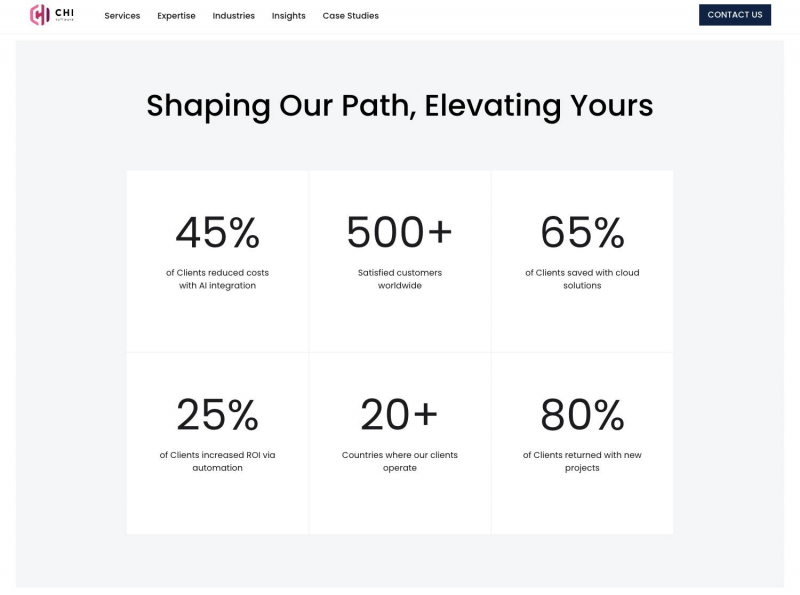
Across Europe, CHI Software teams have helped retail networks, insurers, travel companies, and healthcare providers automate large chunks of communication without losing the personal touch customers expect.
2. Sutherland Labs
Sutherland Labs works at the intersection of service design and automation. Many European companies come to them not because they want a chatbot, but because they want to fix a broken support flow. The Labs team analyzes customer journeys, identifies friction points, and then builds or integrates conversational systems that remove unnecessary steps.
Where they’re strong:
● Human-centered design,
● Omnichannel automation,
● Voice-enabled support systems.
They tend to be a good match for large brands with complex customer pathways — utilities, telecoms, and service-heavy enterprises.
3. Intellias
Intellias is a well-established engineering company with teams across Central and Eastern Europe. Their chatbot practice grew out of their broader AI and data engineering work, which means they treat conversational systems as part of a larger digital ecosystem, not a standalone feature.
Their clients usually turn to them for:
● Domain-specific NLP models;
● Chat assistants integrated deeply with enterprise logic;
● Multilingual support tools connected to data pipelines.
They’re often hired by mobility, automotive, and fintech companies that deal with high transaction volumes and strict rules around accuracy.
4. Deeper Insights
Based in the UK, Deeper Insights leans heavily into the data side of conversational assistants. Before writing a line of code, they build custom datasets, clean existing knowledge bases, or assemble domain-focused training corpora.
What they do well:
● Highly specialized NLP.
● Data extraction + structured knowledge systems.
● Custom enterprise chat and query engines.
They’re a natural fit for research-heavy industries — healthcare, legal tech, compliance — where accuracy matters more than speed.
5. Future Processing
Future Processing approaches automation like a long-term partnership rather than a single project. Their chatbot solutions often sit within broader digital transformation programs, where the assistant becomes part of a larger puzzle: CRM upgrades, workflow automation, modernization of service portals, and more.
Their strengths include:
● Integration with legacy systems.
● Large-scale automation for EU-based enterprises.
● Tailored support tools for manufacturing and logistics.
Companies that need durable, multi-team collaboration often land here.
How AI Chatbots Change Cross-Border Support in Europe
European businesses don’t adopt new tech without thinking about the long game. And chat assistants turned out to be a practical decision for several reasons.
● They reduce language barriers. A single model can cover five languages faster than a support team can hire five native speakers.
● They operate nonstop. And across continents, that matters more than most companies admit.
● They protect the human team’s time. Agents deal with unusual, emotional, or sensitive cases while routine queries get automated.
● They scale without drama. Seasonal spikes? Marketing campaigns? Tourism surges? A well-built assistant doesn’t care.
Chat systems became the invisible glue holding European customer service together.
What Comes Next for Cross-Border AI Support
Europe is moving toward assistants that feel less like tools and more like collaborators. Not full autonomy — nobody trusts that yet — but smarter guidance, better personalization, and more responsible handling of sensitive data.
Two shifts are already obvious:
● Companies want assistants trained on their own data, not generic public sources.
● Multilingual capabilities are becoming a must-have, not a bonus.
And the firms leading that shift are the ones treating conversational AI as infrastructure, not a toy.
Post Comment
Be the first to post comment!