The ambitious vision of transforming the global food chain through insect protein has encountered a harsh financial reality, as the French startup Ÿnsect, once the darling of the European "AgTech" movement, faces a precarious future. After raising more than $625 million from high-profile investors and being hailed as a pioneer in sustainable agriculture, the company has transitioned from a high-flying "unicorn" to seeking legal protection from its creditors. This downfall serves as a sobering case study for the alternative protein industry, highlighting the massive chasm between laboratory-scale success and industrial-scale profitability.
Founded in 2011, Ÿnsect promised a revolution by breeding mealworms in automated vertical farms to produce high-quality protein for fish feed, pet food, and organic fertilizers. For years, the company appeared unstoppable, securing backing from major players including Robert Downey Jr.’s FootPrint Coalition and various sovereign wealth funds. The crown jewel of their strategy was the "Amiens Megafarm," a facility north of Paris designed to be the largest insect farm in the world. However, the complexity of managing biological cycles alongside sophisticated robotics proved more difficult and expensive than anticipated. Delays in reaching full production capacity at the Amiens site created a significant drain on cash reserves, leaving the company vulnerable just as the global venture capital market began to cool.
The pivot from growth-at-all-costs to a desperate search for profitability came too late for the Paris-based firm. In late 2024, Ÿnsect officially filed for "procédure de sauvegarde," a French legal mechanism similar to Chapter 11 bankruptcy protection, intended to allow companies to restructure their debt while continuing operations. This move followed a series of leadership changes, including the departure of co-founder Antoine Hubert from the CEO role, and a strategic retreat that saw the company abandon several international expansion projects to focus solely on its most profitable segments. Despite these efforts, the sheer weight of the capital expenditure required to maintain its massive infrastructure proved unsustainable without a constant influx of fresh investment.
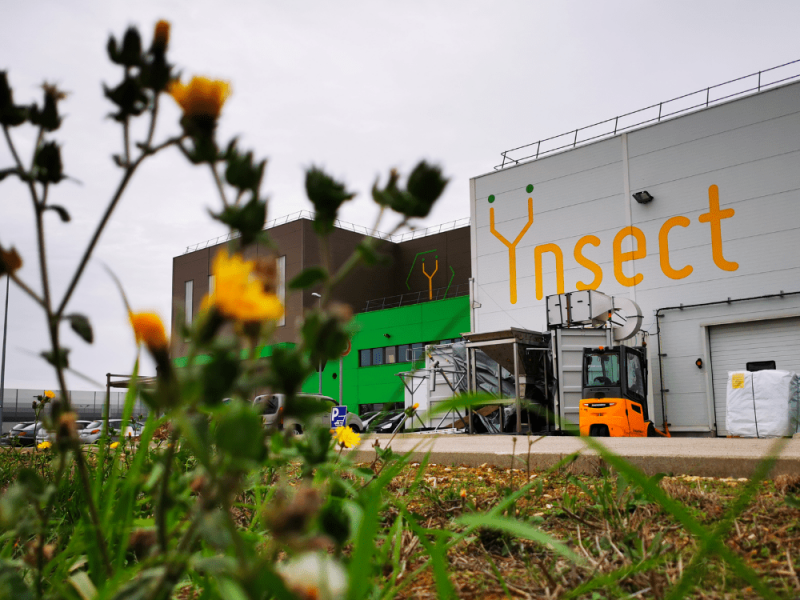
Industry analysts point to a broader "reality check" hitting the alternative protein sector. While the environmental benefits of insect farming such as reduced land and water usage compared to traditional livestock remain scientifically valid, the economic hurdles are daunting. Ÿnsect’s struggle is not isolated; the entire insect farming industry is grappling with high energy costs and the difficulty of competing on price with established commodities like soy and fishmeal. For Ÿnsect, the technical challenges of keeping billions of insects alive and healthy in a vertical environment meant that any minor mechanical failure or biological outbreak resulted in catastrophic financial losses.
The fall of Ÿnsect also marks a significant blow to the "French Tech" ecosystem, which President Emmanuel Macron has long championed as a hub for industrial innovation. The company was a flagship member of the Next40 index, representing the most promising startups in France. Its current distress raises critical questions about whether the venture capital model is suited for "deep tech" companies that require hundreds of millions of dollars in physical infrastructure before they can sell their first ton of product. As the company enters its court-monitored restructuring phase, the focus shifts to whether a buyer can be found to salvage the technology or if the world’s largest insect farm will simply become a monument to over-leveraged ambition.
Post Comment
Be the first to post comment!